

COLLEGE INTEL
OPUS INSIGHTS ON AMERICA’S TOP COLLEGES
Amherst College Admissions
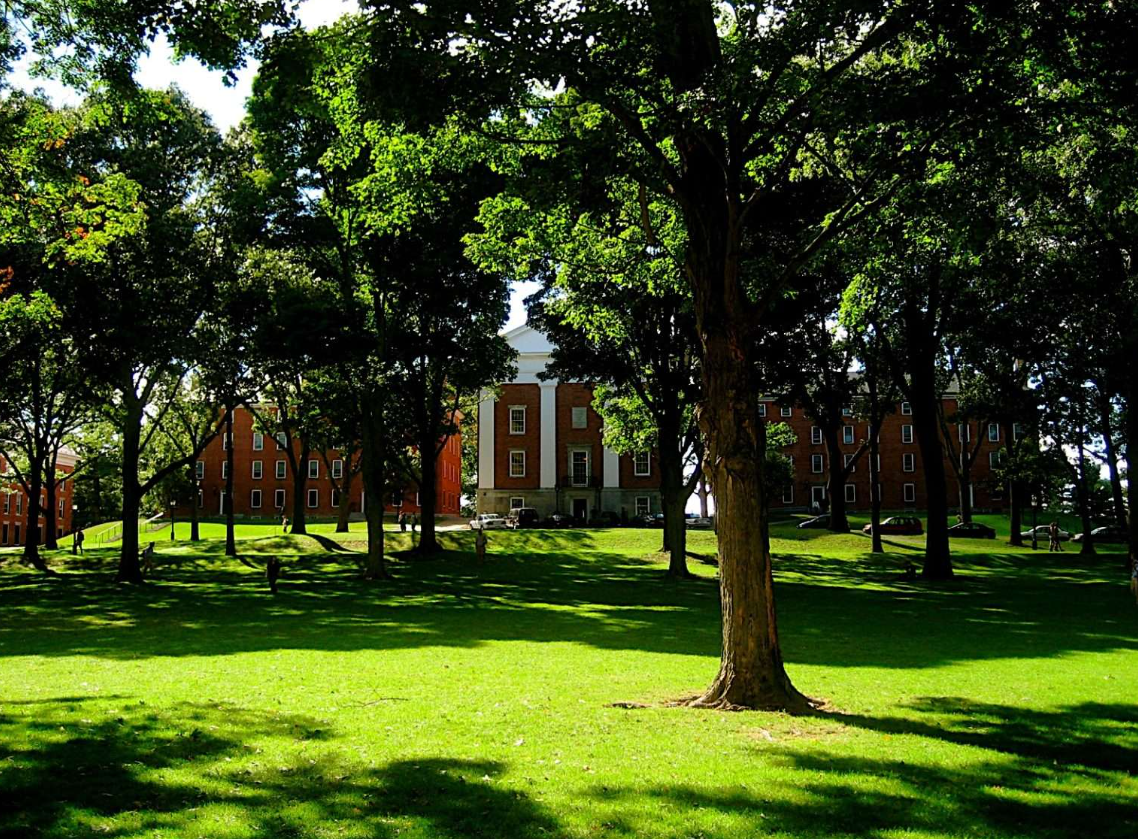
Unlike its primary historical rival, Williams College, Amherst has no core curriculum. It instead encourages a “flexibility and independence” to coursework that is guided by faculty advisers. Not only does Amherst offer 41 majors, but the college was one of the first to pioneer interdisciplinary fields of study, allowing students to submit proposals for independent interdisciplinary pursuits or to join unorthodox discipline-bending departments such as Law, Jurisprudence & Social Thought or American Studies. As a result of the lack of distribution requirements, a little less than half of students opt to double major. As a member of the Five College Consortium, Amherst allows students to take classes at neighboring Mount Holyoke College, Smith College, Hampshire College, and UMass Amherst.
Barnard College Admissions
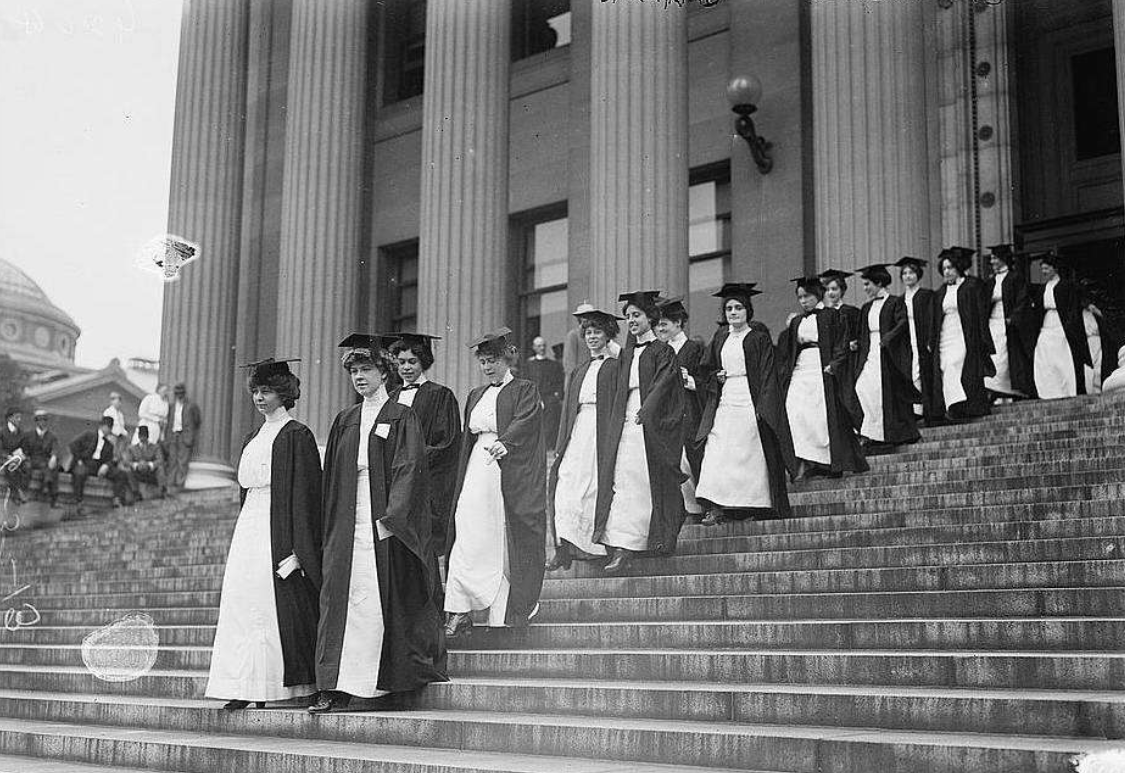
The college was founded in 1889 in response to Columbia’s refusal to become coeducational. It was named after Frederick Augustus Porter Barnard, a former president of Columbia who advocated for coeducation. Throughout the 20th century, Barnard’s relationship with Columbia was dynamic, sometimes amicable and sometimes contentious. Some members of the community envisioned a future in which Barnard fully integrated with Columbia in a merger akin to Radcliffe College’s merger with Harvard, but such an agreement faced opposition from Barnard’s leaders. While the relationship remains complicated, the present arrangement allows for Barnard to maintain institutional autonomy while giving its students access to the ample resources and opportunities inherent to an Ivy League education.
Boston College Admissions
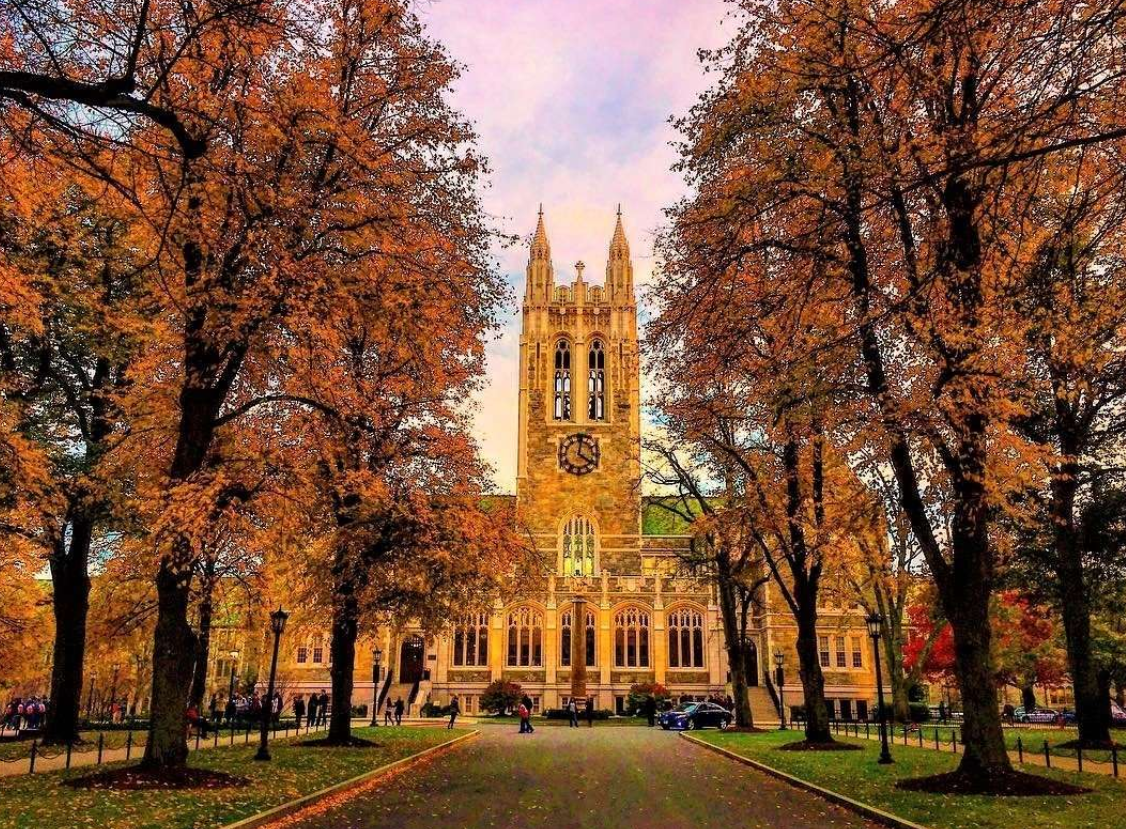
The Boston College Core Curriculum is shared among all undergraduates to “acquire a common intellectual foundation” across the student body. Coursework is required in the following disciplines: “Arts,” “Cultural Diversity,” “History,” “Literature,” “Mathematics,” “Natural Science,” “Philosophy,” “Social Sciences,” “Theology,” and “Writing.” By taking a “Complex Problems and Enduring Questions” course, taught by two faculty from different departments to encourage an interdisciplinary exploration of the subject material, students can satisfy two core requirements at once.
Brown University Admissions
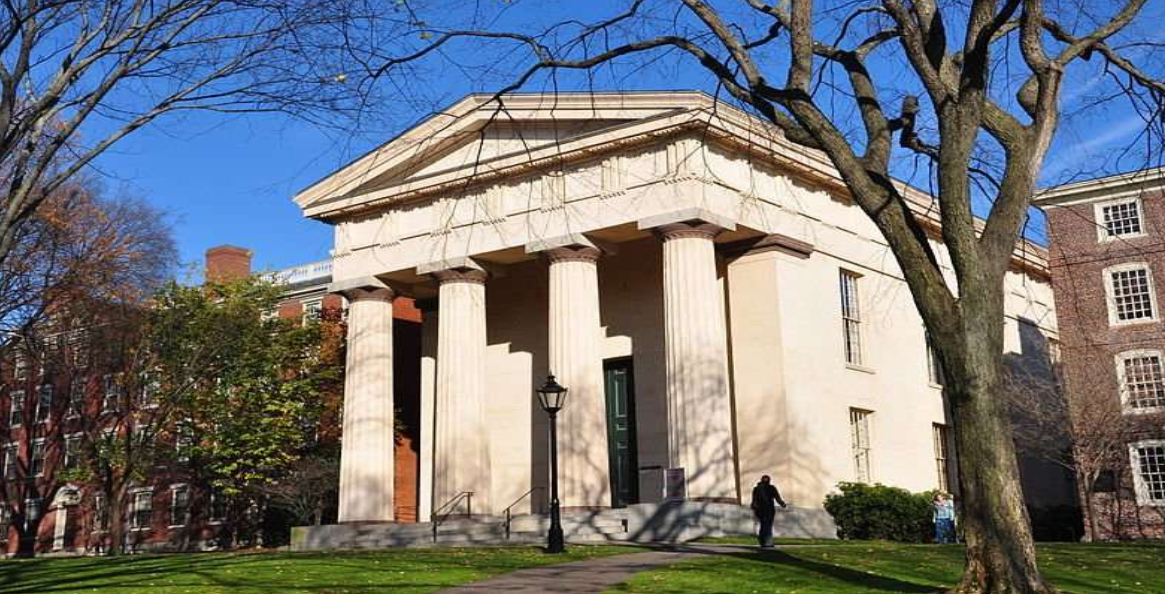
Perhaps the most distinctive feature of undergraduate academics at Brown is the “Open Curriculum,” which was put into place in 1969 in order to expand intellectual freedom and agency for college students. No shared coursework is required, but according to Brown’s website, “most undergraduates sample courses in a range of subjects before diving into one of 80-plus academic concentrations for in-depth, focused study.”
California Institute of Technology Admissions
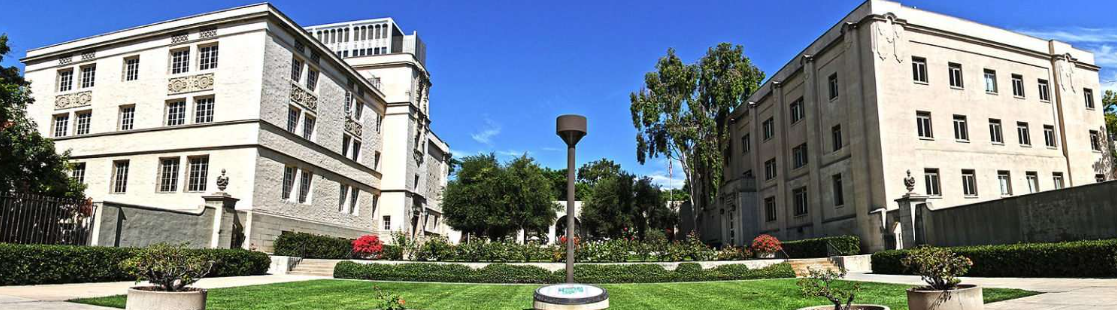
The Caltech curriculum consists of 28 majors (termed “options”), 12 minors, and several interdisciplinary programs. Undergraduates are required to take courses in mathematics, physics, chemistry, biology, laboratory work, scientific communication, physical education, and humanities and social sciences. The majority of undergrads also participate in research, which explains why The National Science Foundation found that Caltech has the highest percentage of alumni who go on to receive a Ph.D. of any American university.
Carnegie Mellon University
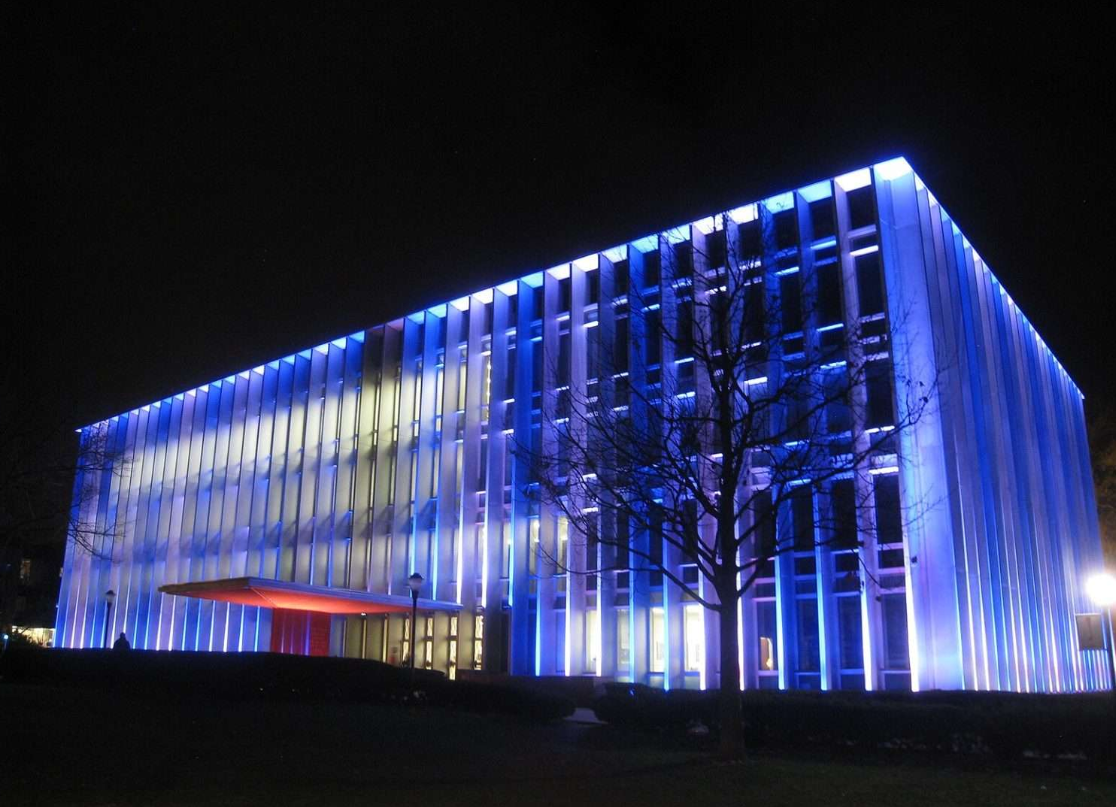
With access to research funding in excess of $400 million, it is no surprise that Carnegie Mellon students and faculty have been responsible for many groundbreaking discoveries, including Kevlar (the substance that makes bulletproof vests bulletproof), the first Wi-Fi network, some of the first AI software, and the first autonomous car program. CMU affiliates have also founded companies with big names such as Duolingo, Adobe Systems, and Coursera.
Columbia University Admissions
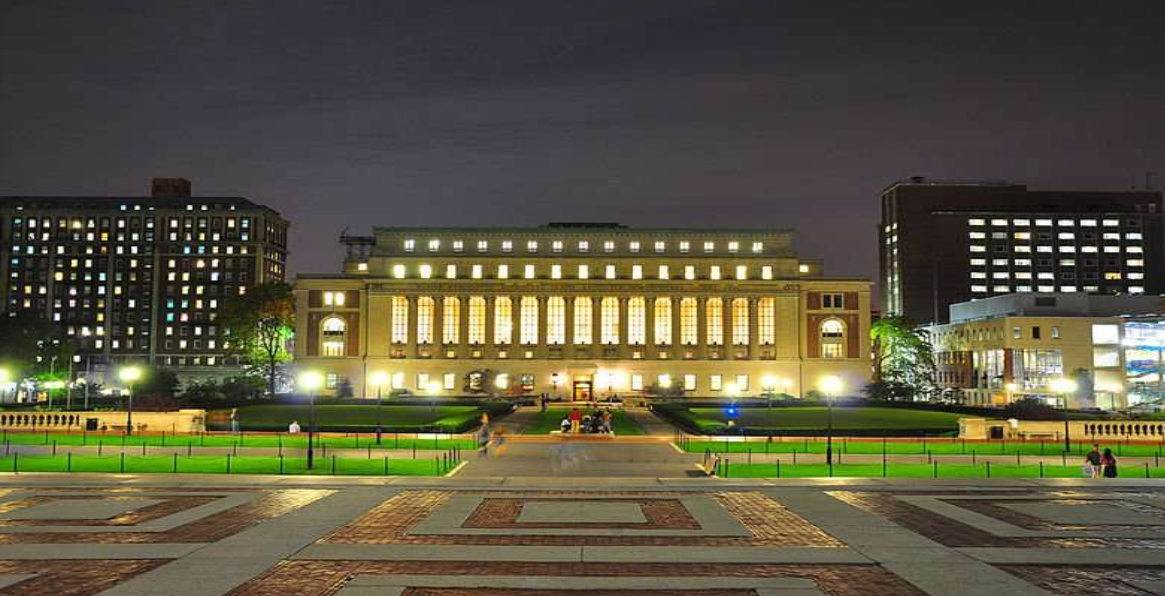
With some of the most competitive admissions in the Ivy League and a centuries-long reputation for academic excellence, Columbia University is indisputably one of the best institutions of higher education in the United States. Columbia’s factsheet is formidable: it is a founding member of the Association of American Universities, it administers the Pulitzer Prize, and it can lay claim to seven Founding Fathers as alumni.

Cornell University Admissions
Founded in 1865 by Ezra Cornell and Andrew Dickson White, Cornell has been a trailblazer in American higher education for generations. Its admissions have been co-educational and nonsectarian since its inception, serving as a model for similar policies at Stanford University, which was referred to as the “Cornell of the West” during its founding in 1891. Throughout the twentieth century, Cornell was known as a research powerhouse in space exploration, car safety, and physics. Cornell faculty played pivotal roles in the Manhattan Project, early missions to Mars, and early advancements in computer science.
Dartmouth College Admissions
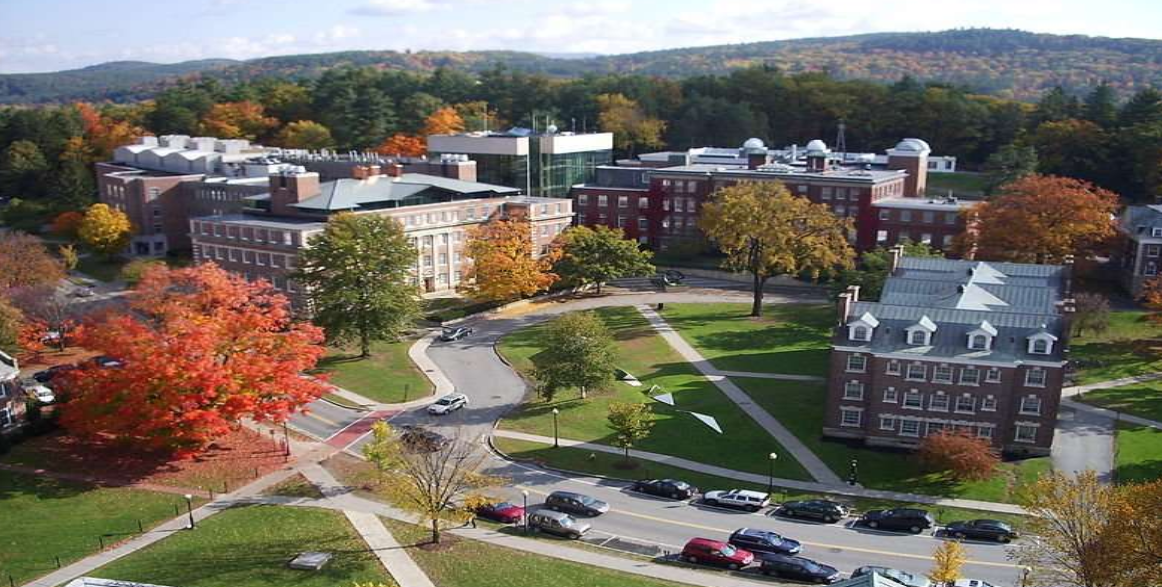
Faculty member John Rassias pioneered the Rassias method of foreign language teaching while at the College, leading to the creation of The Rassias Center for World Languages and Cultures. The original version of the BASIC programming language was created at Dartmouth in 1963 by Professors John Kemeny and Thomas Kurtz. The Nelson A. Rockefeller Center, named for the famed Dartmouth alum and Vice President of the United States, is devoted to the study and advancement of public policy and social sciences, and offers undergraduates opportunities for internships, leadership development, and research.
Duke University Admissions
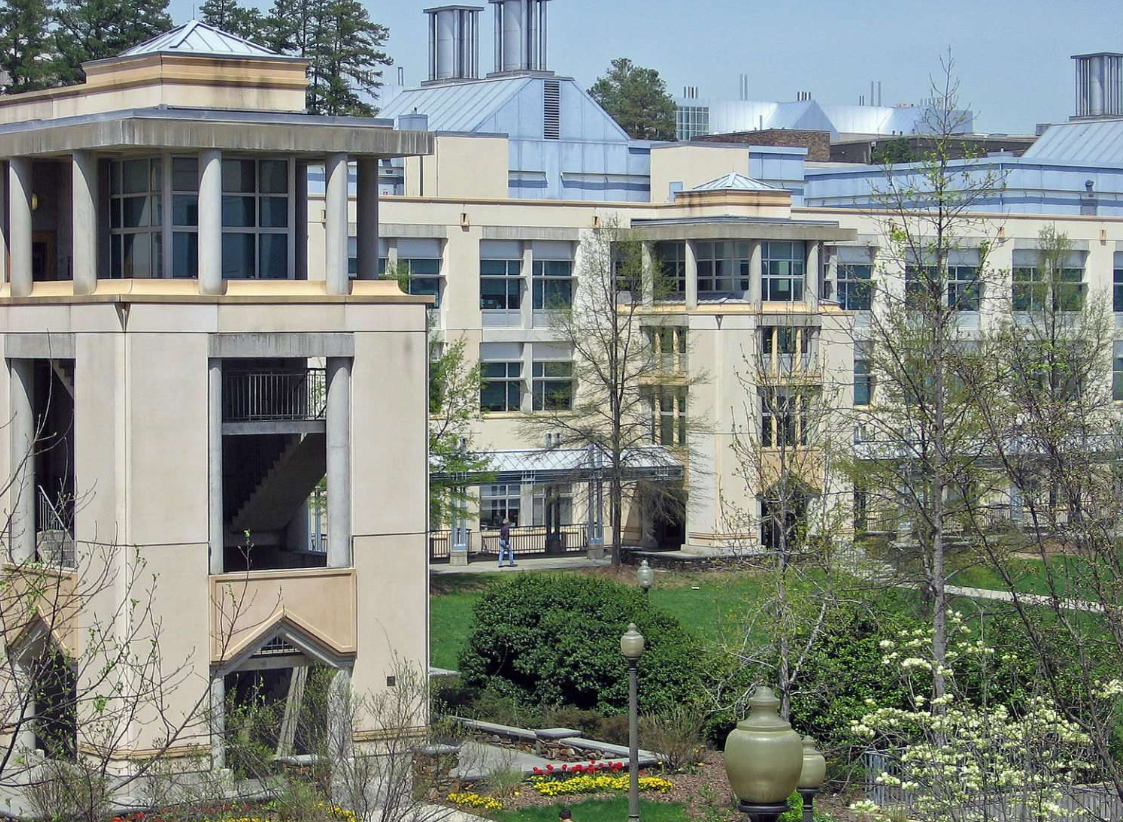
Duke University is known for many things: its gorgeous campus, designed in the Gothic style primarily by Julian Abele, its spirited student body who quite literally camp out for varsity sports games, its formidable roster of alumni such as Apple CEO Tim Cook and President Richard Nixon, and its Nobel prize-winning faculty who regularly rank as some of the most cited and well-funded in the world. Duke challenges prospective students with a highly competitive application process, but rewards those who are admitted with a Southern college lifestyle in sunny Durham, North Carolina with all of the trappings of an elite research university.
Emory University Admissions
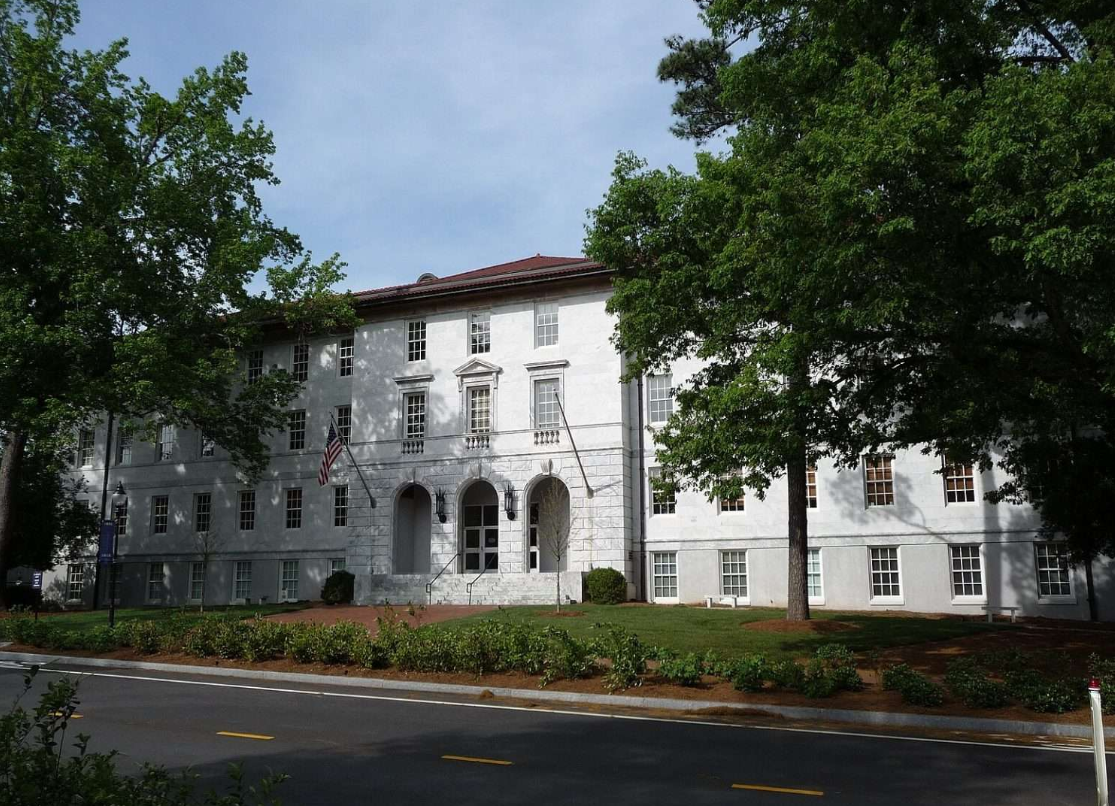
With current and former faculty such as the late U.S President Jimmy Carter, author Salman Rushdie, and former CDC Director William Foege (who, for the record, was credited with the global eradication of Smallpox), Emory’s academic program goes virtually unrivaled in its renown in the American Southeast. Undergraduates, who number around 8,100 on campus, choose between enrolling in the College of Arts and Sciences and the Neil Hodgson Woodruff School of Nursing to complete their Bachelor’s. Over 80 majors and 60 minors are offered. Students enrolled in the College of Arts and Sciences complete general education requirements in the following categories: “Success at Emory;” “Exploration Courses;” “Expression & Communication;” “Belonging & Community;” and “Experience & Application.
Georgetown University Admissions
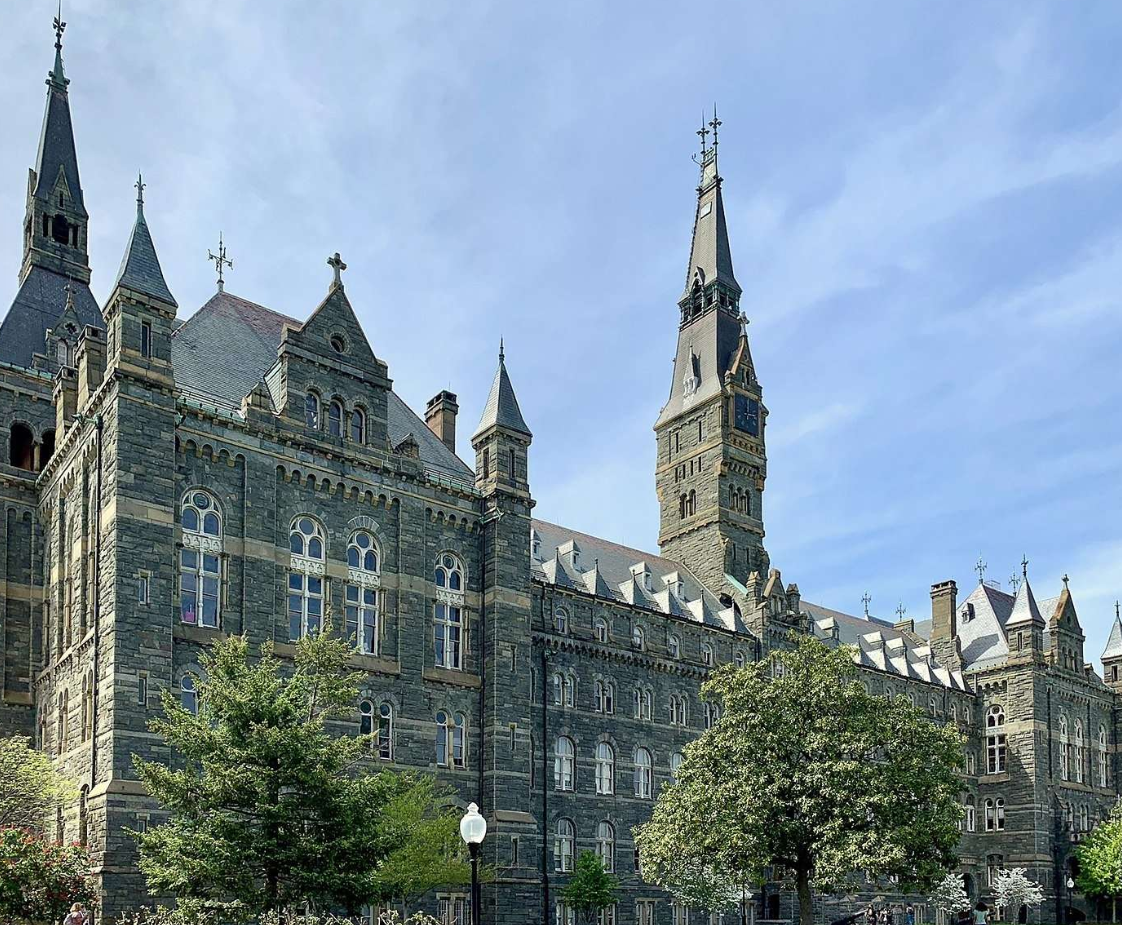
Georgetown University offers up many contradictions upon initial inspection: it’s America’s first Catholic university, but also the nation’s first federally-chartered university. Its guiding principles are deeply informed by Jesuit teachings, but it also has a religiously and ideologically diverse student body. The university draws Catholic and non-Catholic students alike because of its world-renowned academics and history of producing political, economic, and cultural leaders.
Johns Hopkins University Admissions
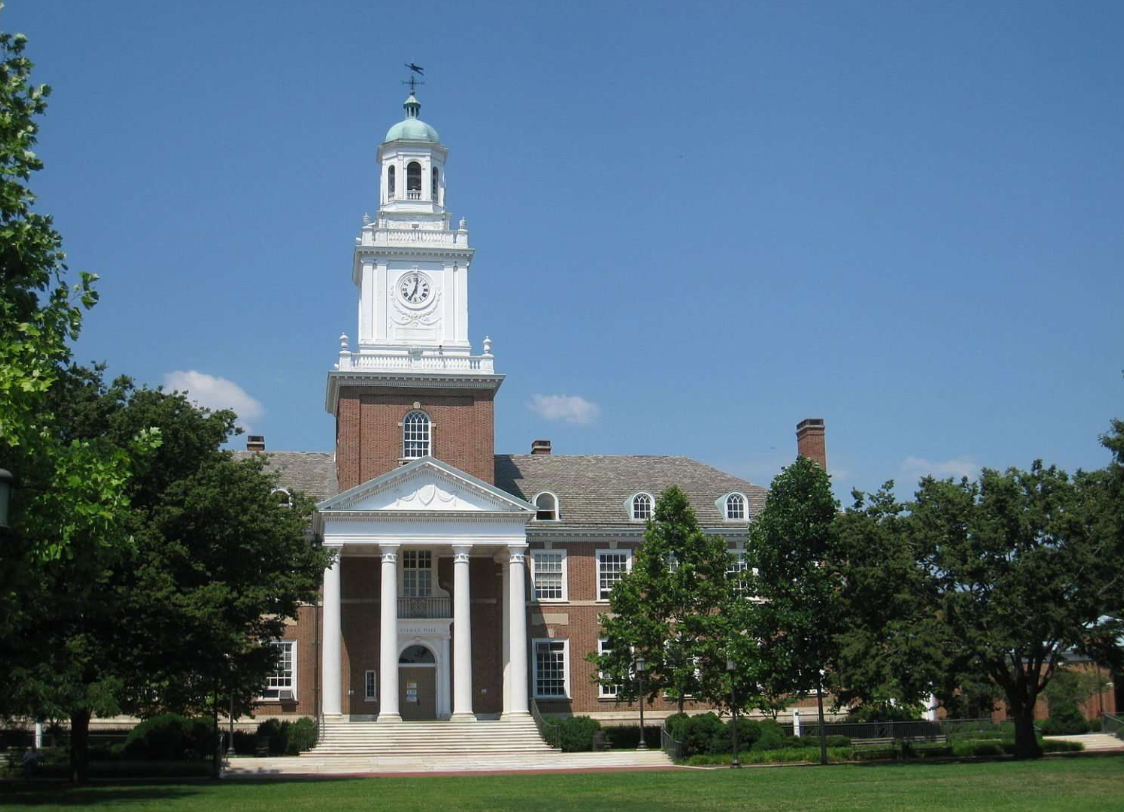
Johns Hopkins University has forged a legacy of academic excellence in the fields of medicine, engineering, public health, and international relations. With over $3 billion in annual research and development expenditures, the university has had the highest levels of federal funding for any American university since 1979, as evaluated by the National Science Foundation. Roughly 5,300 undergraduates and 25,000 postgraduates are enrolled primarily at campuses in Baltimore, Maryland, but also at auxiliary campuses in Washington, DC, China, and Italy.
Harvard University Admissions
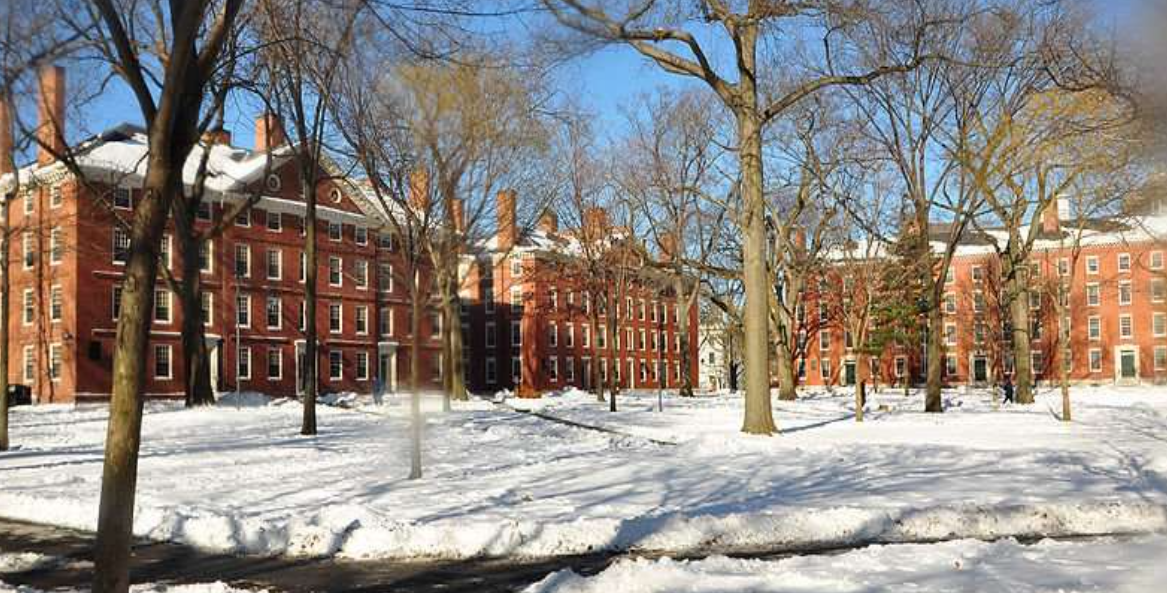
It is almost a cliche at this point to put Harvard on a pedestal, venerating it as the most prestigious university in the world and as an admissions Holy Grail. Harvard’s esteem derives from a legacy of excellence in higher education that has gone unparalleled for generations. Between the eight U.S. presidents, 188 billionaires, and 49 Nobel Laureates who can call themselves Harvard alumni, many would probably agree that they were mystified by this Harvard mythology prior to arriving on campus. The crowning jewel of the Ivy League, Harvard has a renown that is ubiquitous with American culture itself.
Massachusetts Institute of Technology Admissions
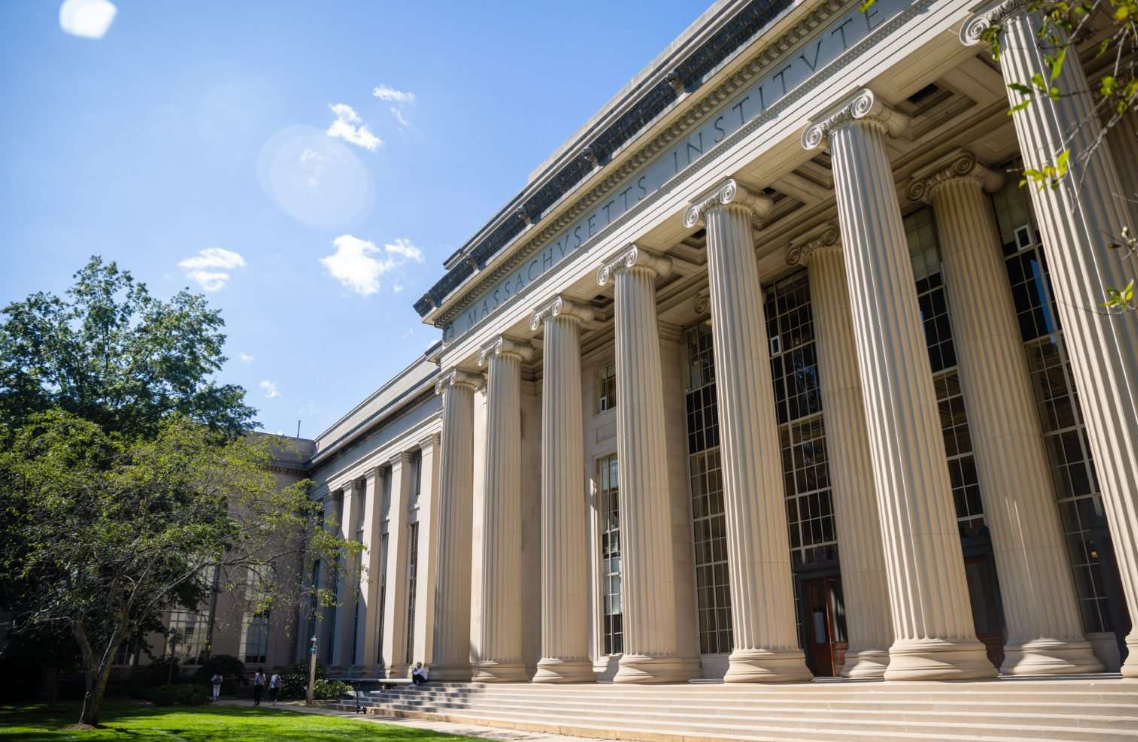
The Massachusetts Institute of Technology has a world-renowned reputation for innovation in the fields of science and technology, boasting an elite cache of alumni such as former chairman of the Federal Reserve Ben Bernanke and U.S. astronaut Buzz Aldrin, formidable faculty such as linguistics expert Noam Chomsky and machine learning pioneer Daniela Rus, and as fans of Good Will Hunting will note, one mathematically-gifted janitor who looks a whole lot like Matt Damon.
Middlebury College Admissions
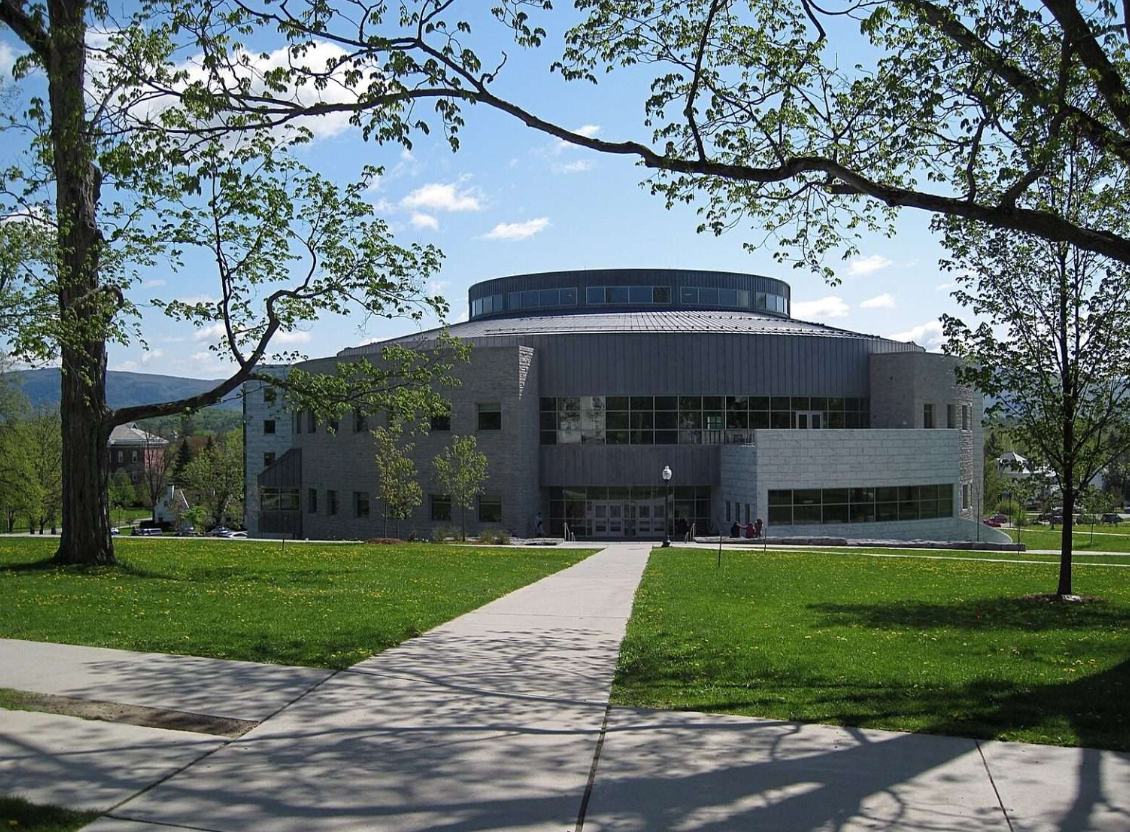
Beginning with the establishment of the School of German in 1915, Middlebury has offered world-renowned language-immersion courses each summer for over a century. These “Language Schools” enroll roughly 1,350 students annually. Another famous summer program, The Bread Loaf Writers’ Conference, through Middlebury’s Bread Loaf School of English, was established in 1926. When one considers that past faculty and affiliates of the conference include Robert Frost, Toni Morrison, and George R. R. Martin, it should not come as a surprise that it is regarded as the most prestigious writing conference in the nation.
New York University Admissions
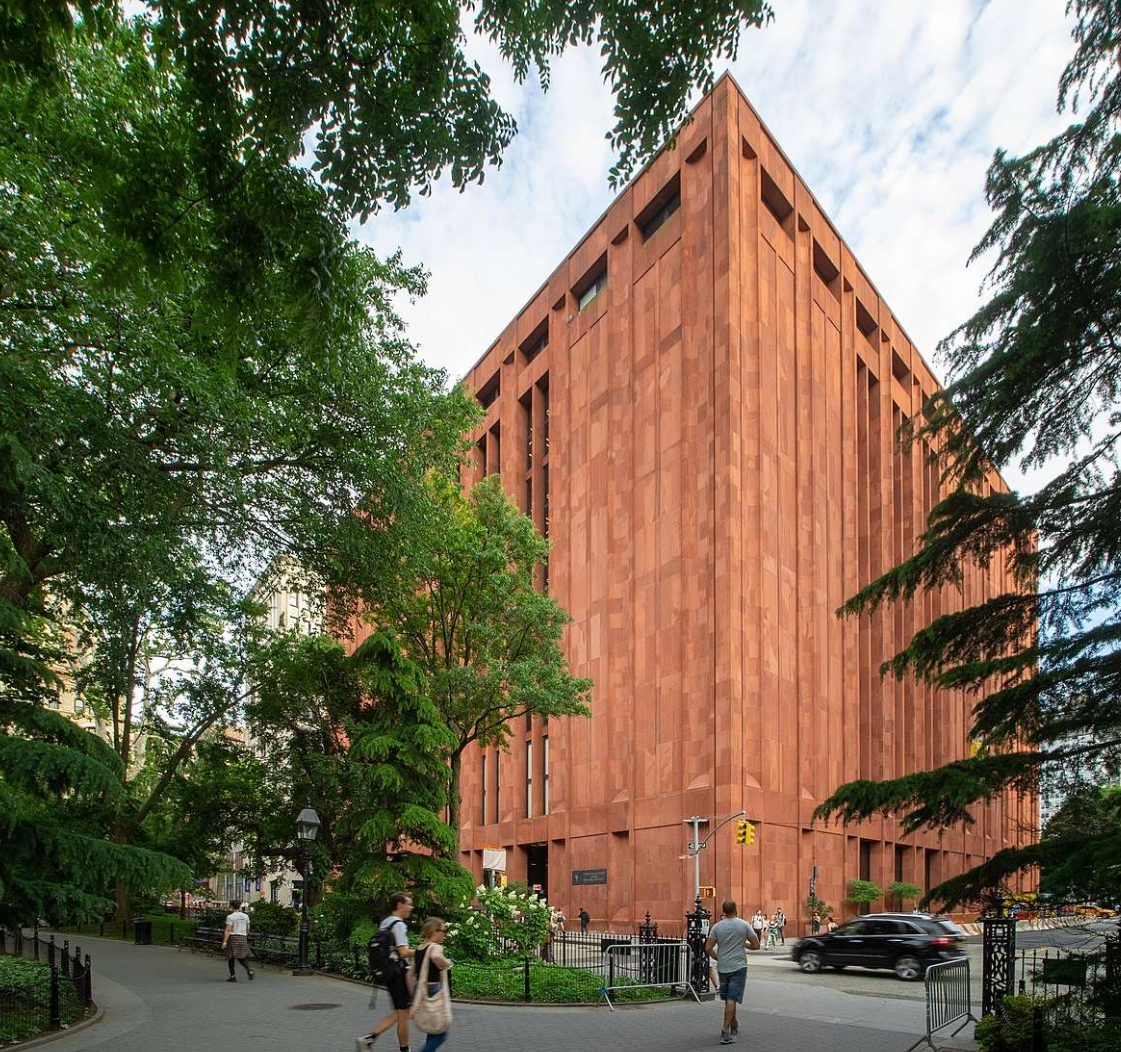
Undergraduate education at NYU is split between ten schools: the College of Arts and Science; the Tandon School of Engineering; the Steinhardt School of Culture, Education, and Human Development; the Stern School of Business; the School of Professional Studies; the Rory Meyers College of Nursing; the Silver School of Social Work; the Tisch School of the Arts; the Gallatin School of Individualized Study; and Global Liberal Studies (a program created in 2009 providing a liberal arts education to students who live at various NYU campuses across the globe while completing their bachelor’s).
Northwestern University Admissions
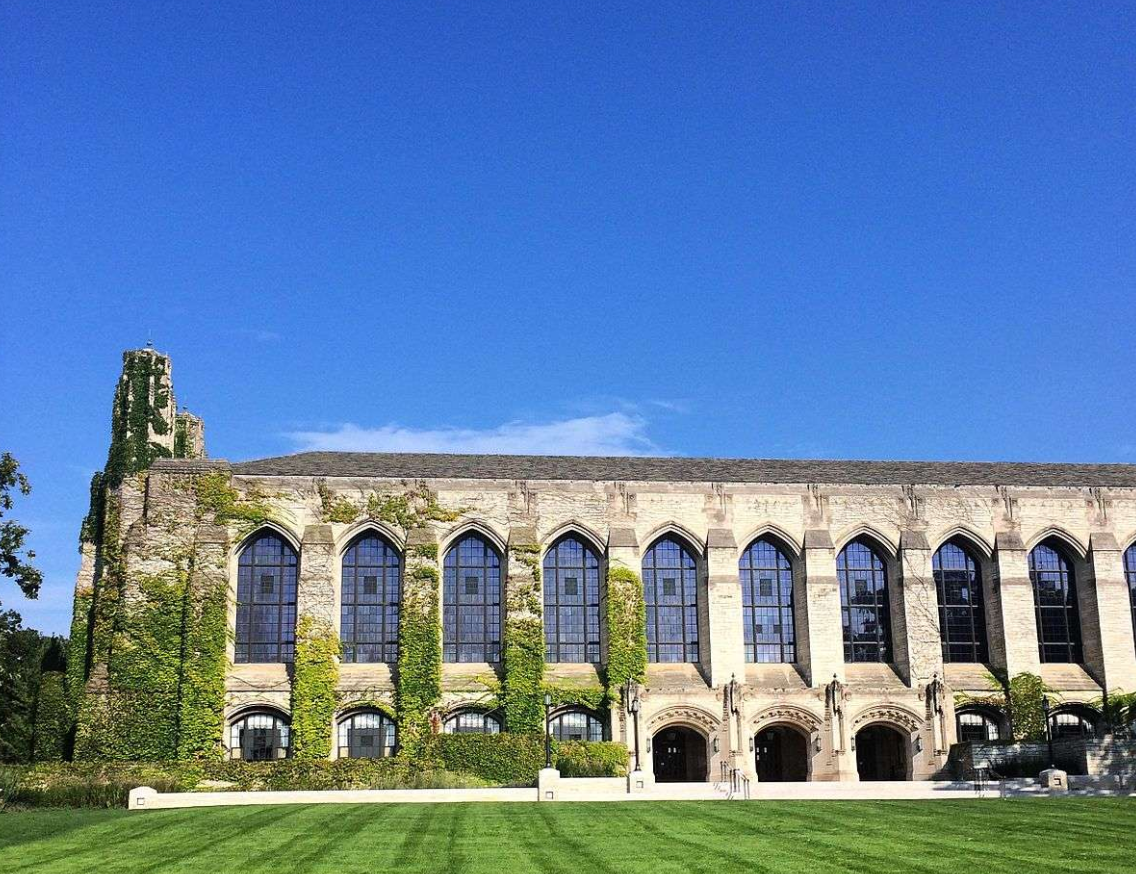
Northwestern University brings every facet of an elite college experience to the table: an outstanding academic reputation, an active student social life bolstered by the allure of the Chicago cityscape, and a longstanding history of producing incredibly successful alumni in all major fields. While admission to the private R1 university in Evanston, Illinois is competitive, those who are admitted go on to find a diverse variety of research, entrepreneurial, artistic, and pre-professional opportunities at their disposal.
Princeton University Admissions
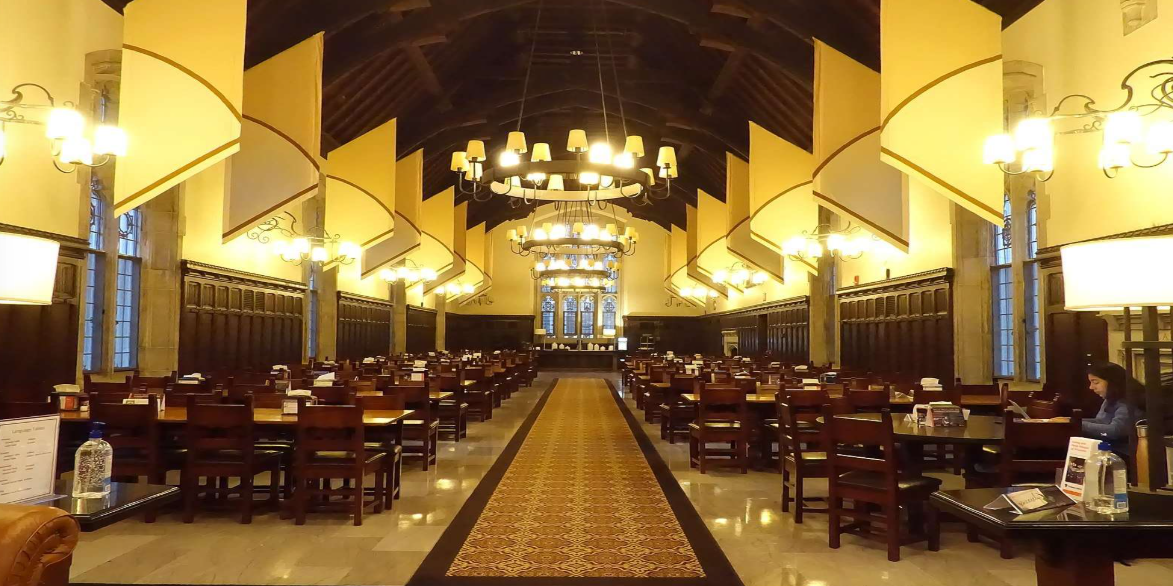
While some Ivy League colleges have a medical, law or business school, and other Ivies have all three, if you’ve ever wondered why Princeton does not have any, it’s because the focus is on the undergraduate education. And while Princeton does have an engineering school, the university’s commitment is to the liberal arts education. Perhaps this is why Princeton students so love their school and why Princeton University admissions is getting that admission rate to drop year after year.
Rice University Admissions
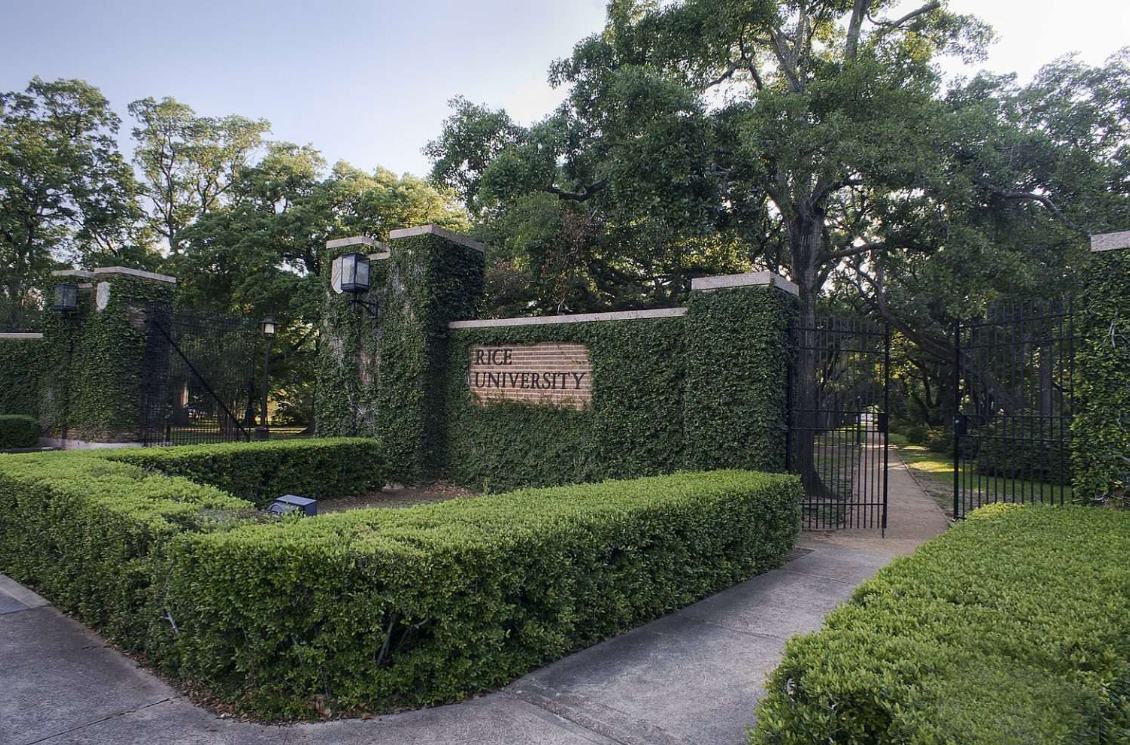
Rice was established in 1912, and was named for industrialist William Marsh Rice, whose immense estate provided the university with its initial endowment. These funds were only secured following the discovery of a conspiracy to create a fake will that would squander Rice’s fortune. Scandals aside, the first years at Rice were marked by a rigorous curriculum that failed most of its students.