

COLLEGE INTEL
OPUS INSIGHTS ON AMERICA’S TOP COLLEGES
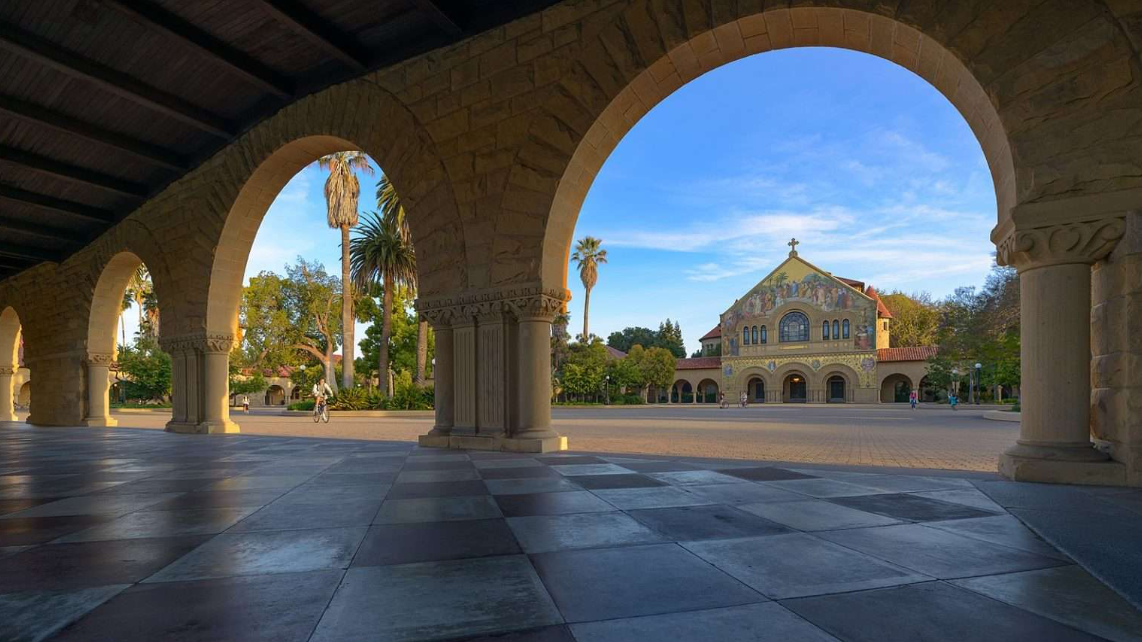
Stanford University Admissions
What do Google, Instagram, LinkedIn, and Snapchat all have in common? Aside from being multi-billion dollar businesses, they were all founded by Stanford students. Entrepreneurship is a core tenet of Stanford’s culture. After all, this culture was responsible for the creation of Silicon Valley, not the other way around. Students from around the world are drawn to the R1 research university not only for its stellar academic reputation and educational resources but for this unparalleled focus on start-ups, research, and innovation.
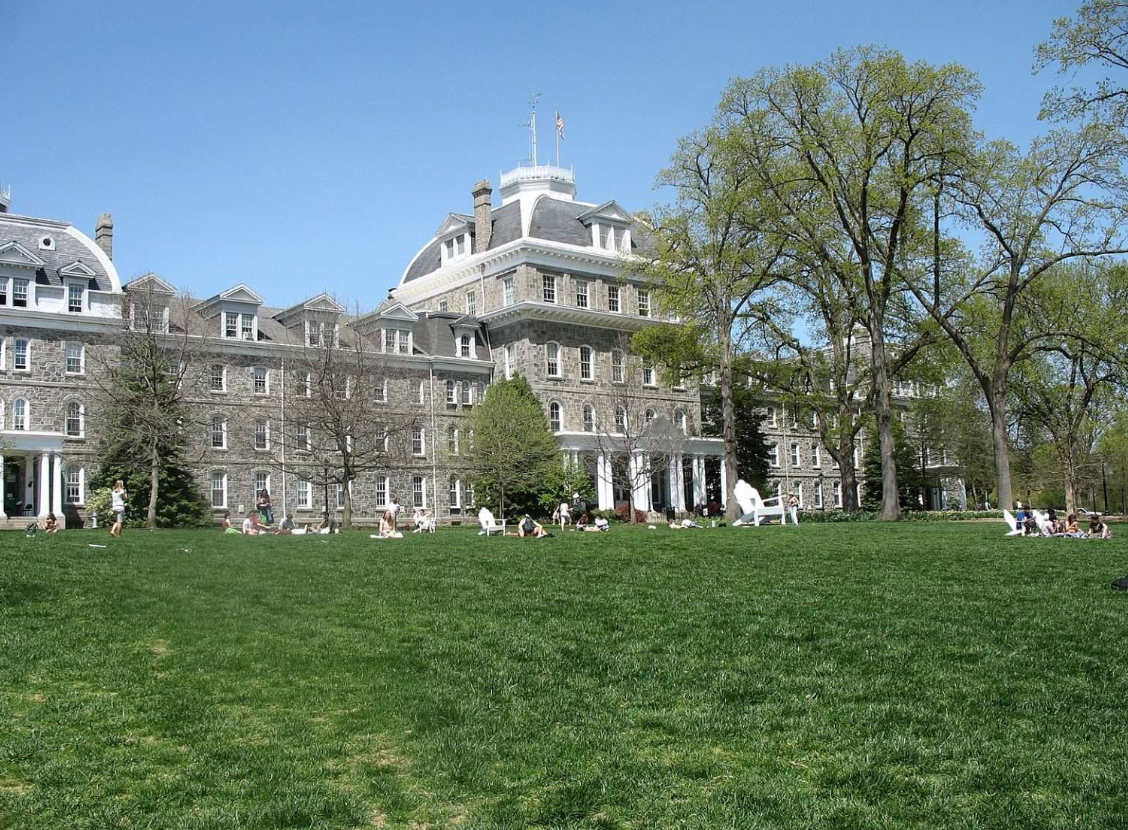
Swarthmore College Admissions
Not only is Swarthmore College one of the most highly-ranked liberal arts colleges in the nation, it is also one of the historical centers of the women’s suffrage movement. Furthermore, the renowned institution boasts an alumni base with some of the highest rates of Ph.D. completion and Nobel Prize reception per graduate (trailing just behind Harvard and Caltech). The private liberal arts college located in Swarthmore, Pennsylvania is home to a tiny student body of just 1,700 students, but once these select few graduate, they sure do make quite an impact. In addition to five Nobel Laureates, Swarthmore alumni include thirteen MacArthur Fellows, and other big names such as feminist icon Alice Paul, U.S. Senator Chirs Van Hollen, fashion designer Joseph Altuzarra, and Governor of Hawaii Josh Green.
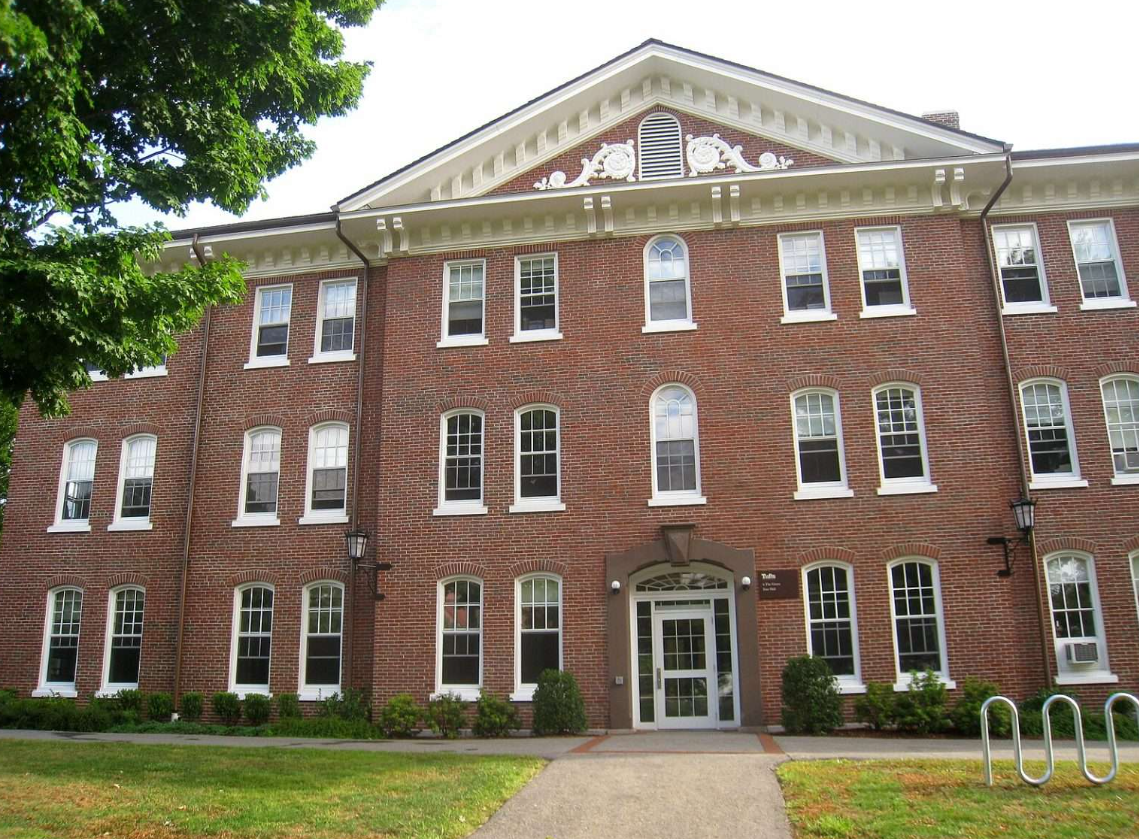
Tufts University Admissions
Established in 1852 as “Tufts College” by the Universalist Church of Boston, the Tufts of the nineteenth century grew with the philanthropy of benefactors such as Circus businessman P. T. Barnum, whose namesake lives on with the Barnum Museum of Natural History on campus. Barnum also donated the stuffed hide of the famed Jumbo the elephant to the university in 1884. Today, Jumbo lives on as the campus mascot and the affectionate term for Tuft’s athletic teams, who compete in NCAA Division III.
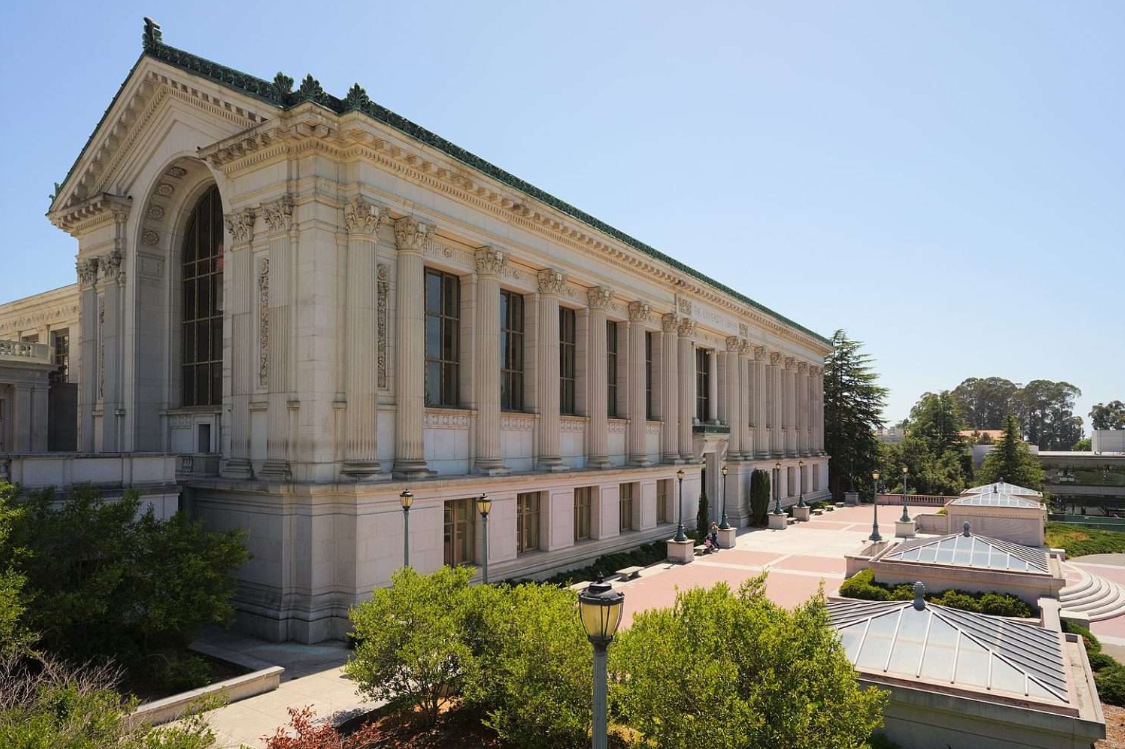
University of California, Berkeley Admissions
Berkeley was originally founded in 1868 as the “University of California” in Oakland. Within a year of its inception, the fledgling university became co-educational and moved to its current location in Berkeley, California. Other campuses in the UC system were originally offshoots of Berkeley, including the University Farm near Sacramento that would become UC Davis and the Los Angeles State Normal School that would turn into UCLA. By World War II, Berkeley faculty had discovered 16 chemical elements, more than any other university in the world. This reputation for scientific discovery led to Berkeley serving a major role in the war effort through the Manhattan Project. Professor J. Robert Oppenheimer, “the father of the atomic bomb,” was named the scientific head of the project.
University of California, Los Angeles Admissions
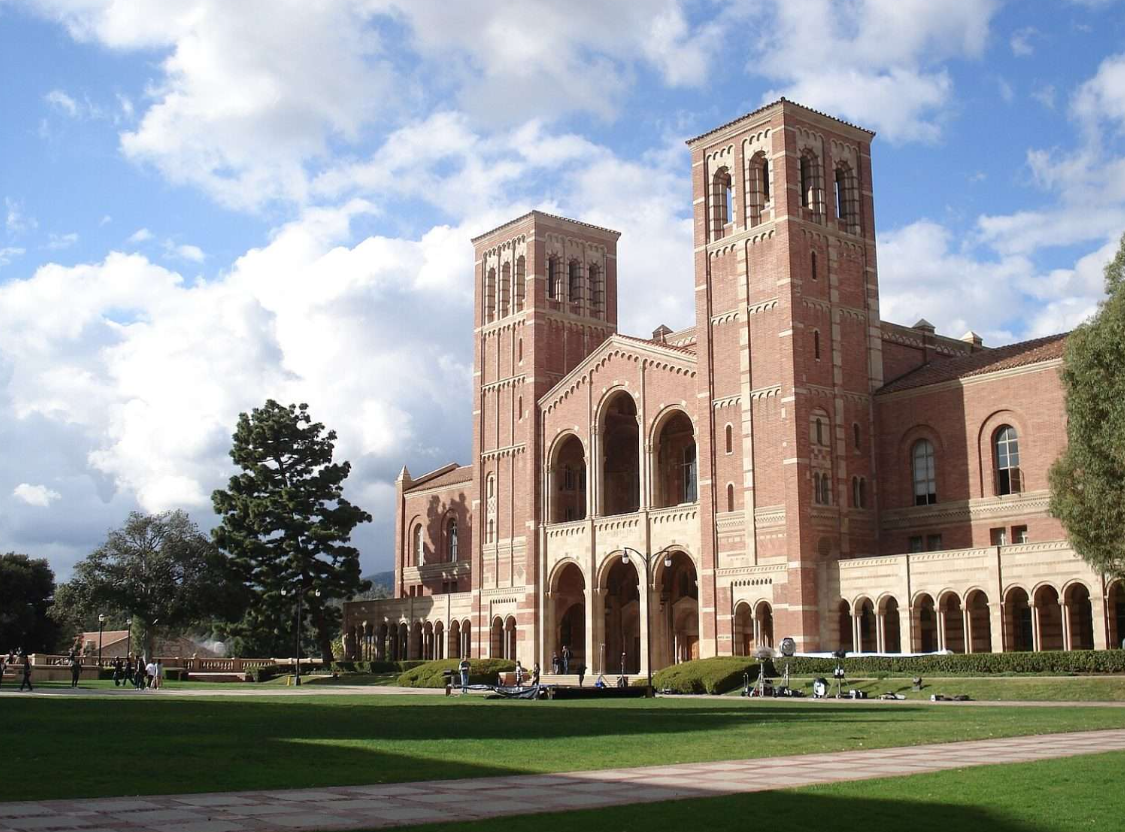
UCLA was originally founded in 1881 as the southern branch of the California State Normal School (now San José State University). In 1919, the school transformed into the Southern Branch of the University of California after overcoming pushback from snobbish UC Berkeley affiliates who wanted to maintain their status as the only UC campus. By the 1950s, UCLA had blossomed into a fully-fledged university with a reputation for student activism (even drawing the scrutiny of anti-communist McCarthyists!). At the same time, the athletics program grew in prestige, securing national championships in football, track, tennis, and volleyball. As the 20th Century progressed, UCLA expanded its research apparatus and made significant advances in the fields of medicine, chemistry, and internet software.
University of Chicago Admissions
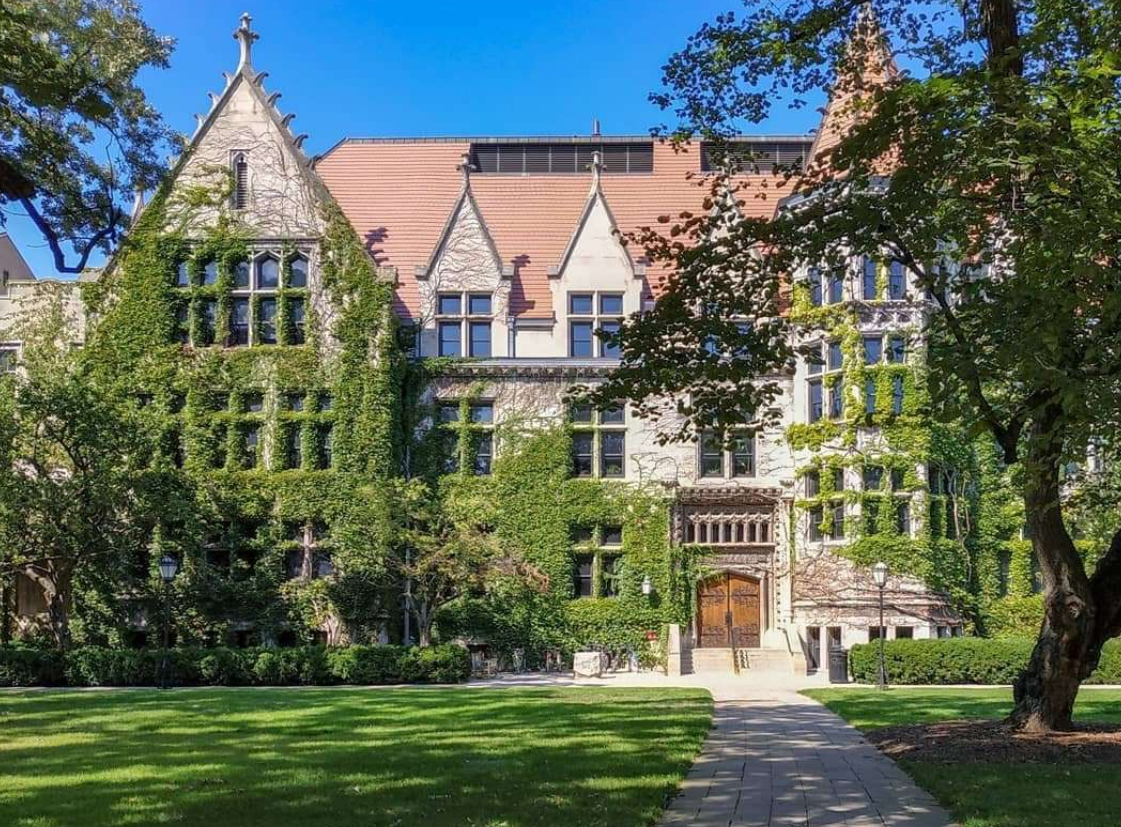
The University of Chicago is widely considered to have the most rigorous liberal arts curriculum in the nation. Nestled into the Hyde Park Neighborhood of its namesake midwestern metropolis in Illinois, UChicago has forged an impeccable reputation for its commitment to academic excellence, its history of establishing entire schools of thought (ever heard of the Chicago school?), as well as its extensive itinerary of successful alumni, which includes several heads of state, world-renowned writers and thinkers, and a significant number of CEOs and billionaires.
University of Michigan Admissions
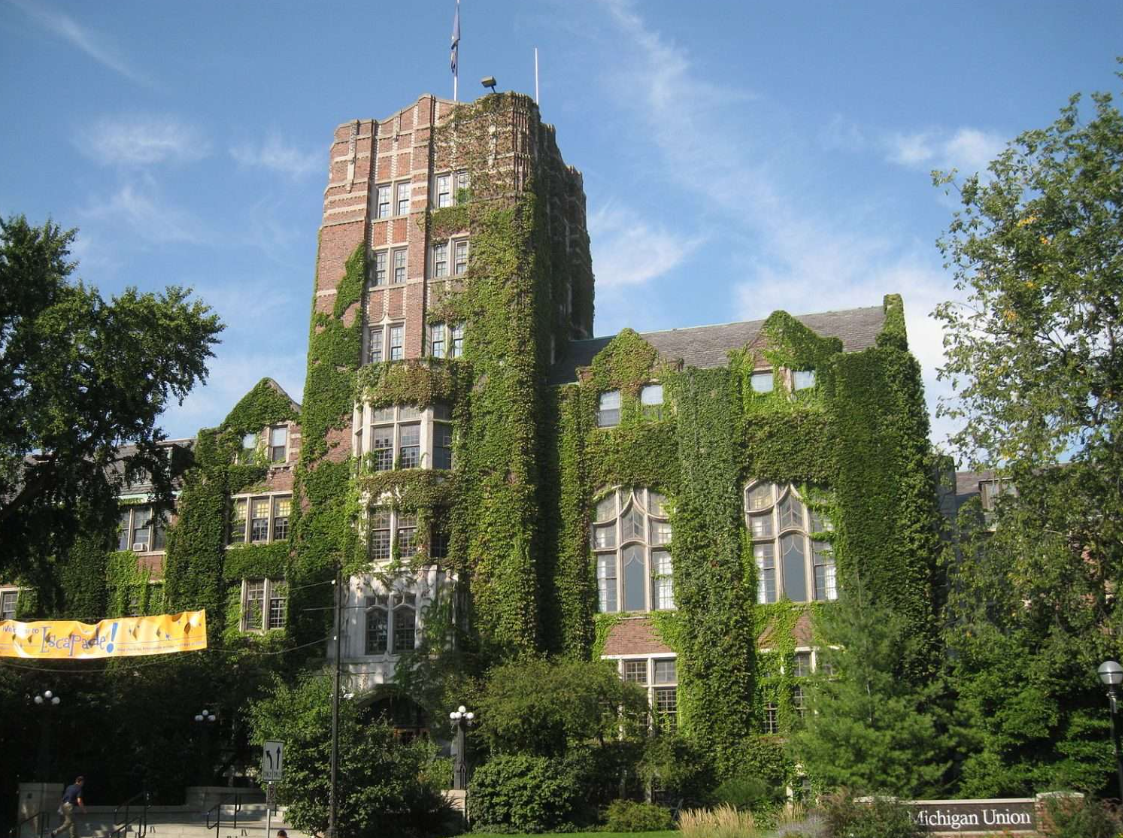
As part of the creation of the Michigan Territory in 1817, Catholepistemiad, or University of Michigania, was established as a centralized system of schools and libraries. It wasn’t until 1837, when Michigan entered the Union, that the University of Michigan was commissioned on land in Ann Arbor. Around the turn of the 20th Century, Michigan was one of the largest universities in the nation, rivaling Harvard and Columbia. In the late 20th century and as recently as 2008, some groups have advocated for the complete privatization of the university, but no change has thus far been enacted.
University of North Carolina Admissions
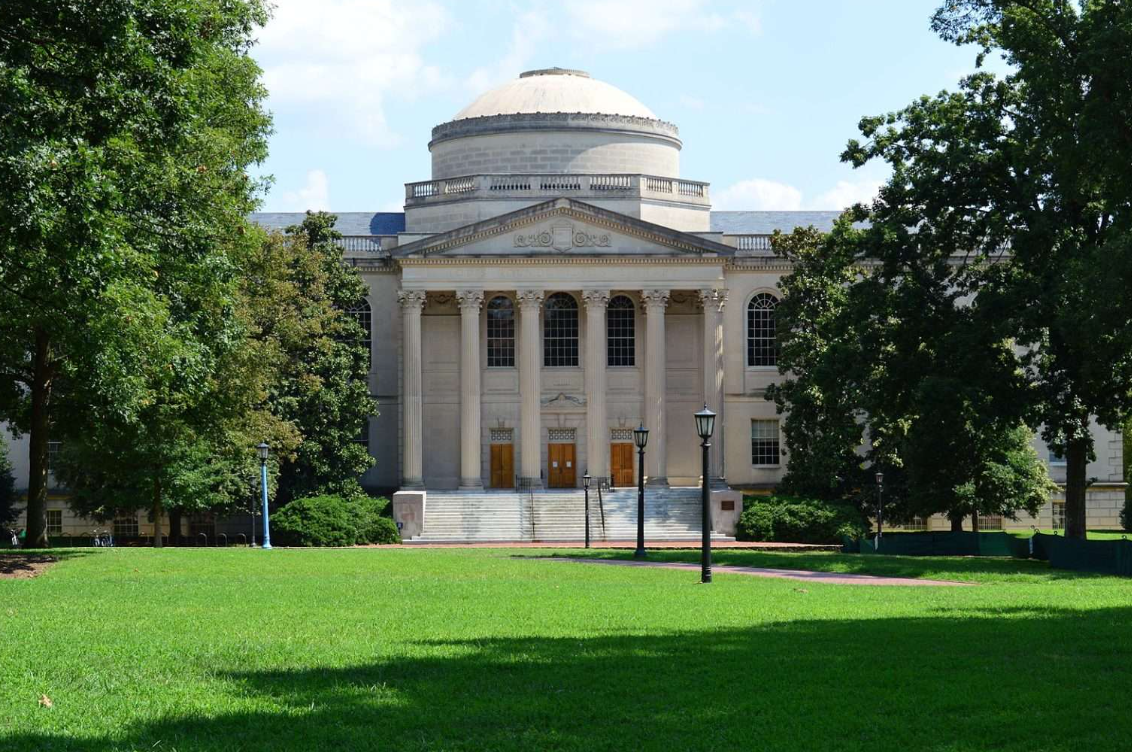
UNC’s undergraduate student body of approximately 20,000 students is split between eleven schools and programs. The “IDEAs in Action General Education Curriculum” shapes undergraduate coursework beyond the requirements of the 70 different majors offered at UNC. This core curriculum requires first-year classes in data literacy, English composition, and a Freshman seminar. As students progress through their bachelor’s, nine “Focus Capacities” classes and “Disciplinary Distribution” classes covering “humanities and fine arts,” “mathematics and natural sciences,” and “social and behavioral sciences” are required.
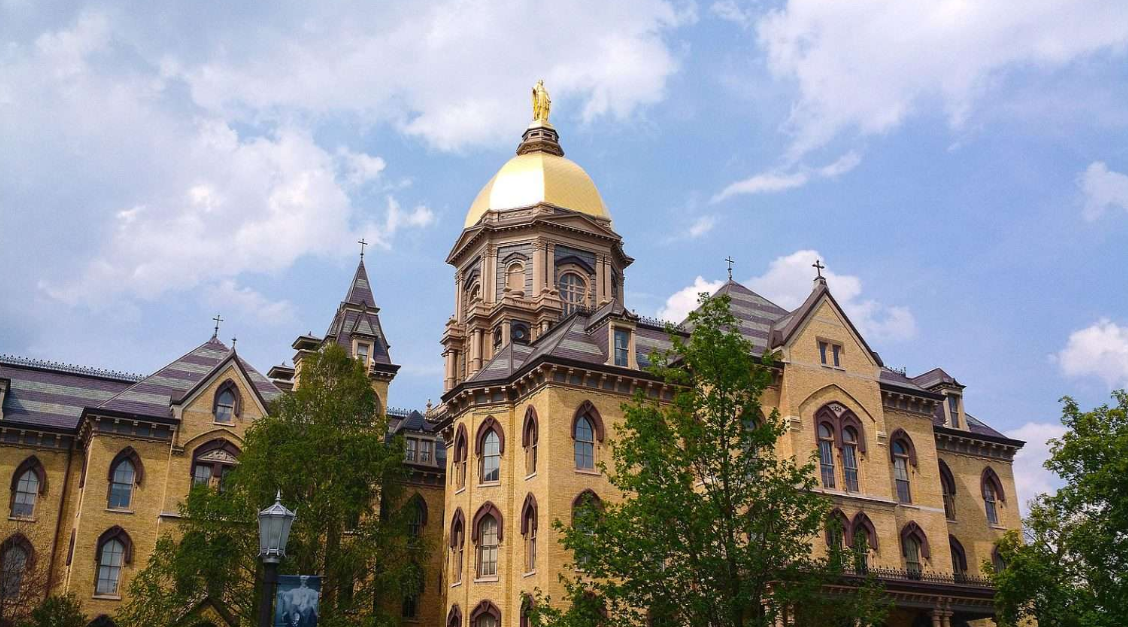
University of Notre Dame Admissions
Notre Dame was established in 1842 when priest Edward Sorin was commissioned by the Catholic Church to construct a college on 524 acres of land in northern Indiana. In the late nineteenth century, under the presidency of Thomas Walsh, Notre Dame invited literary intellectuals to campus through a “belle-lettres” campaign. As the university was swept into the twentieth century, tensions grew around whether Notre Dame should become a research university, as was the tendency of elite institutions at the time. Eventually the administration made the shift, expanding the chemical engineering program, attracting more faculty, and increasing the graduate population on campus.
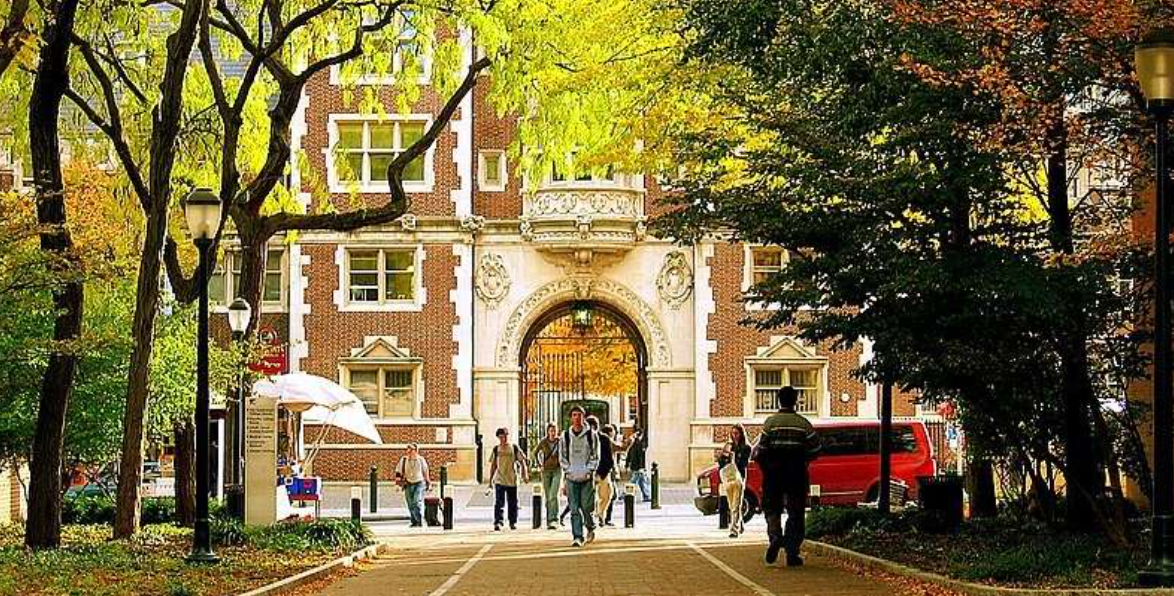
University of Pennsylvania Admissions
The University of Pennsylvania, one of the eight Ivy League colleges, is a private institution in spite of its name. Located in Philadelphia, PA, an historic, vibrant, cultural, and diverse city, Penn is the fifth oldest post-secondary institution in the United States. Approximately 10,600 undergraduates attend Penn.
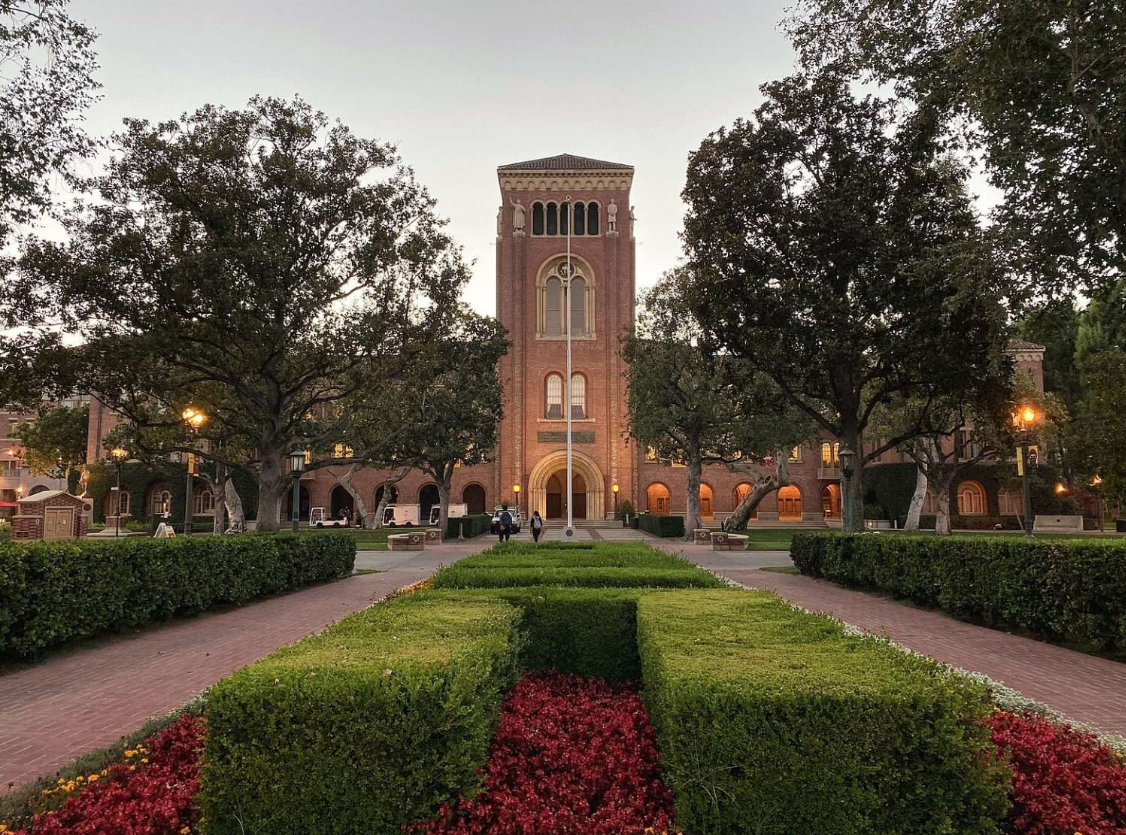
University of Southern California Admissions
Founded in 1880, USC is the oldest private research university in California. Judge Robert M. Widney solicited donations from prominent Angelinos to begin construction on the newly established institution. Initially affiliated with the Methodist Church, the university lost its religious affiliation in 1952. In 1984, the university hosted many events for the Summer Olympics in Los Angeles and provided residences for the athletes. Around this same time, Paul Mockapetris, a researcher with USC’s Information Sciences Institute, developed the modern Domain Name System that is now ubiquitous across the internet.
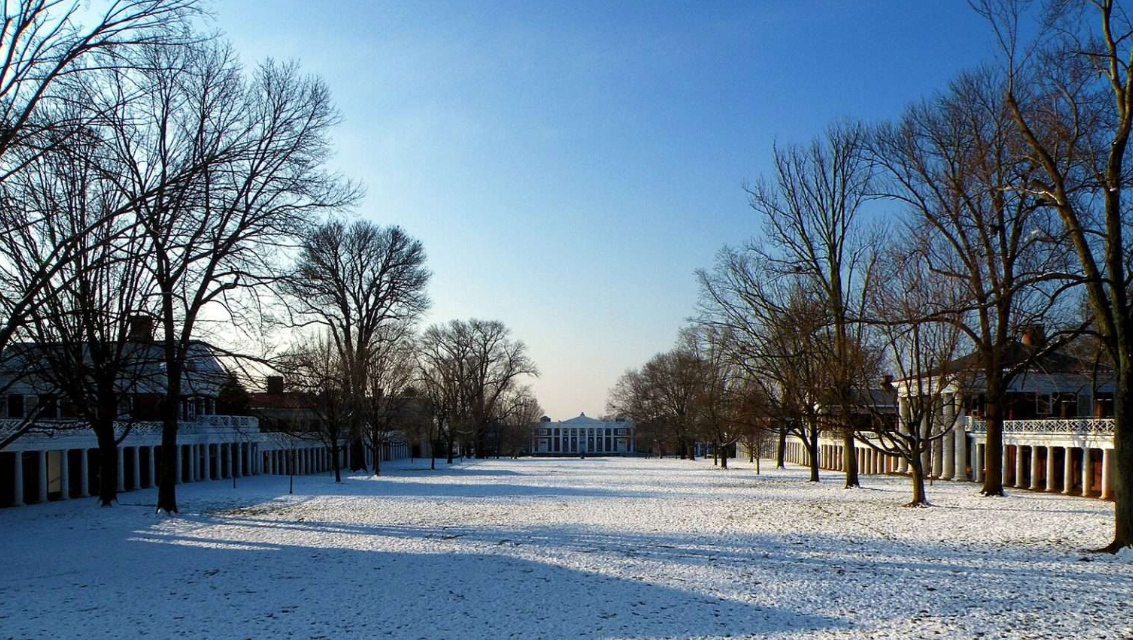
University of Virginia Admissions
Few American universities can lay claim to the same degree of historical and architectural significance as the University of Virginia (UVA). Located in Charlottesville, the public research university has a storied legacy within American higher education not only for its academic renown, but for serving as a site of many major activist, civil, and educational movements. With roughly 17,600 undergraduates, 8,300 postgraduates, and a $13.6 billion dollar endowment, UVA has cemented its place as a fixture of elite education in the South and as one of the leading public universities in the nation.
Vanderbilt University Admissions
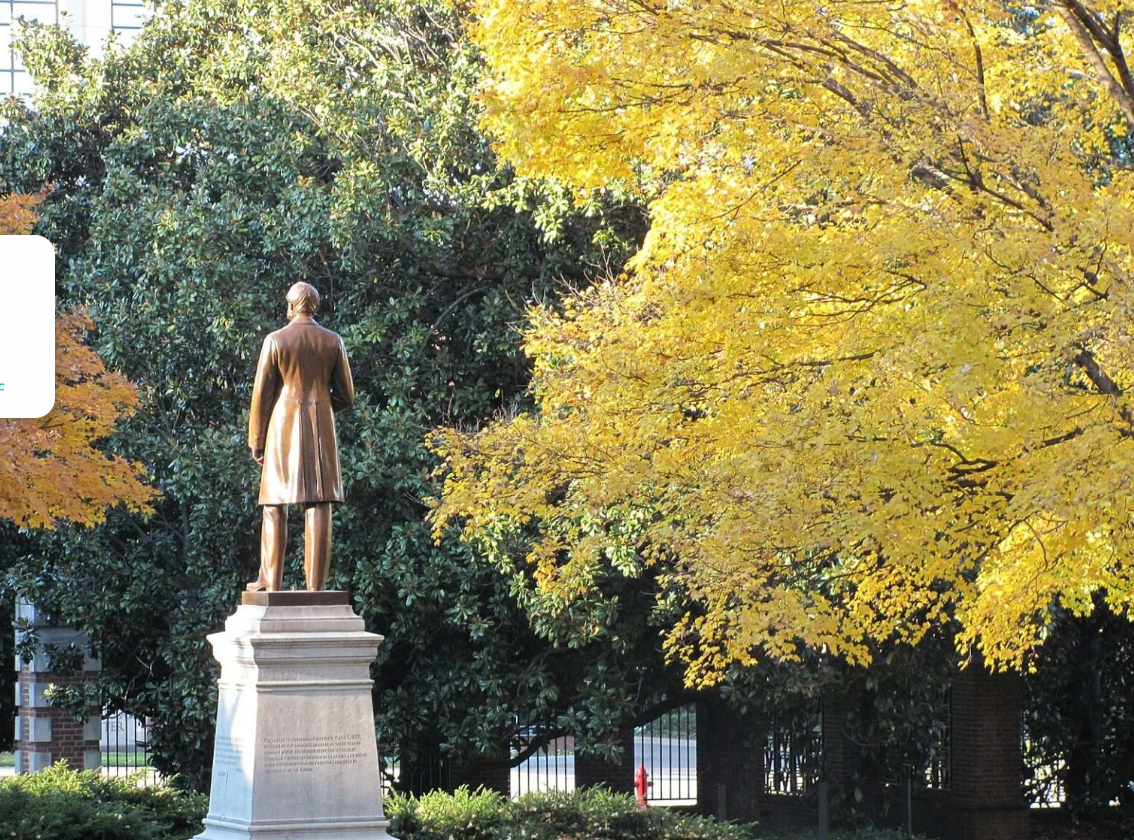
Vanderbilt University sits in the heart of Nashville, Tennessee on a lush campus known for its beauty and architectural variety. The private research university consistently ranks at the top of lists for student quality of life and happiness, administrative efficiency, and academics. Its student body of 7,100 undergraduates and 6,700 postgraduates is composed of some of the strongest students in the nation, while alumni include former Vice President Al Gore, U.S. Poet Laureate Robert Penn Warren, and the “Father of Modern Anesthesia,” James Tayloe Gwathmey.
Williams College Admissions
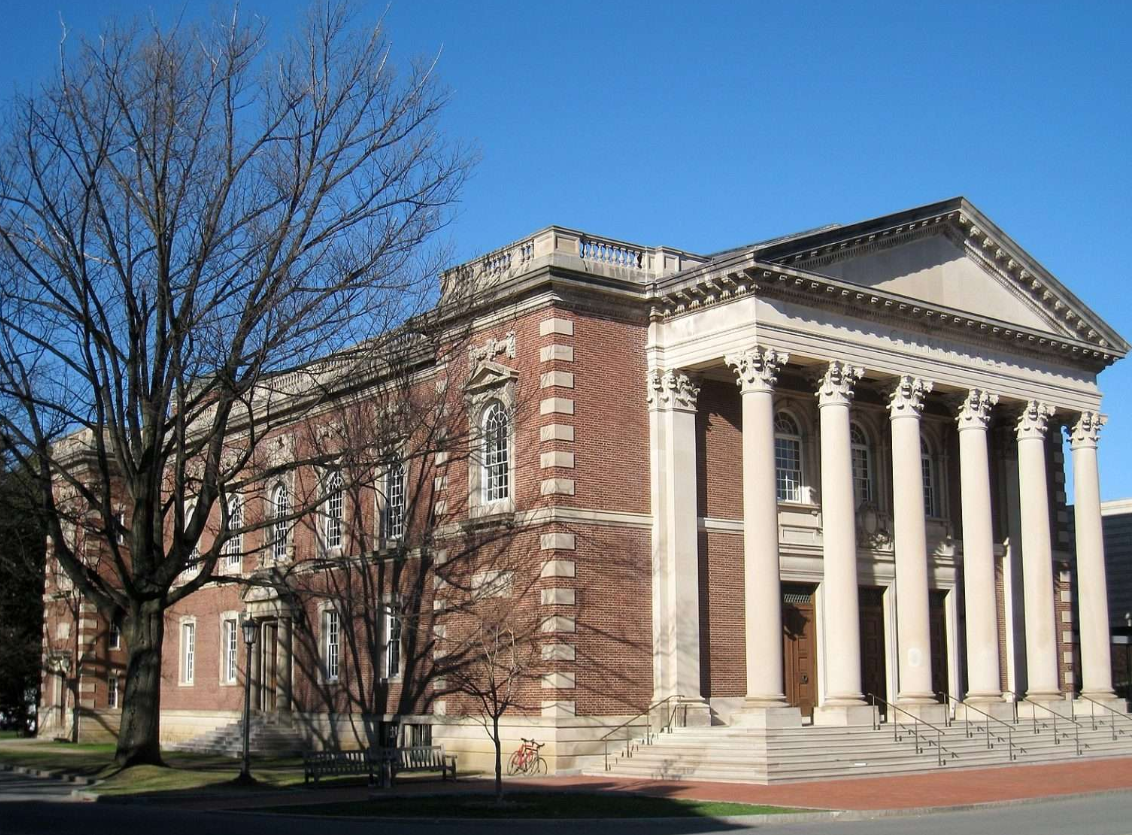
Williams is named after the wealthy Revolutionary War hero Ephraim Williams, who provided for the creation of a free school in Western Massachusetts in his will. The school was originally chartered in 1762, but a pesky institution nearby known as Harvard College pressured the governor of the Massachusetts Bay Colony to revoke the charter so as to avoid competition. It would take another 30 years before Williams College would land on its feet again and receive a new charter. In 1821, Williams affiliates abandoned the fledgling college, which was struggling financially, to move east and establish Amherst College, but it would not be long before Williams began to prosper again.
Yale University Admissions
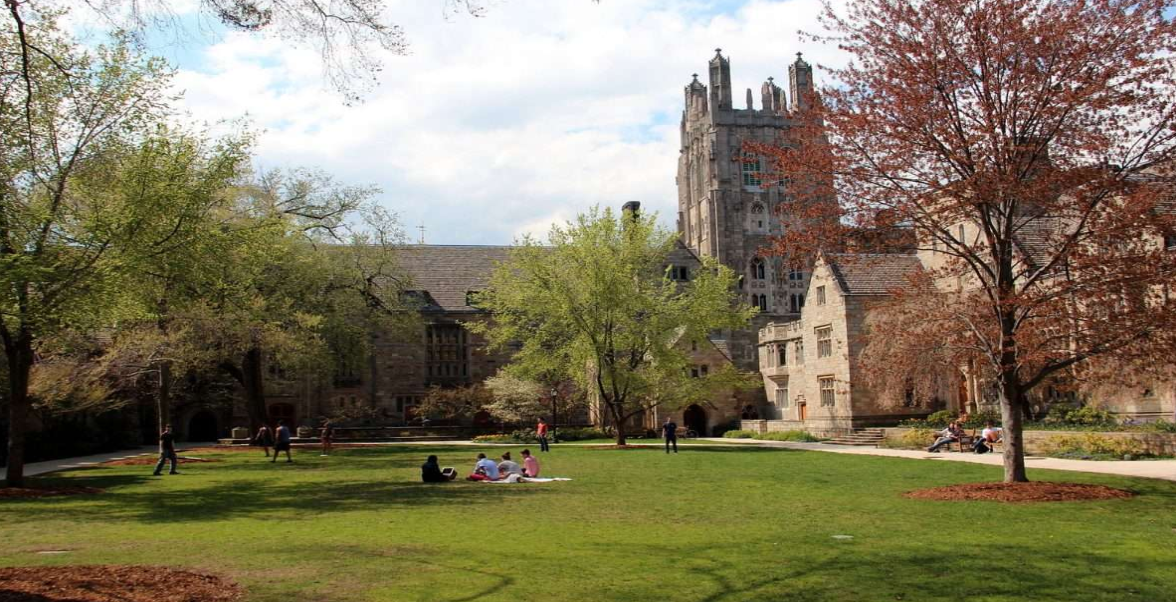
Founded in 1701, Yale College, with some of the most beautiful architecture in the world ranging from Gothic to Georgian to Colonial to Modern, has one gorgeous campus — and the Yale University admissions department maintains its standing as one of the most selective universities in the nation. There are approximately 5,300 undergraduates and another 6,000 graduate students at Yale.